Hair-Thin Lines, Ironclad Skill: What It Actually Takes to Master Fine-Line Tattooing
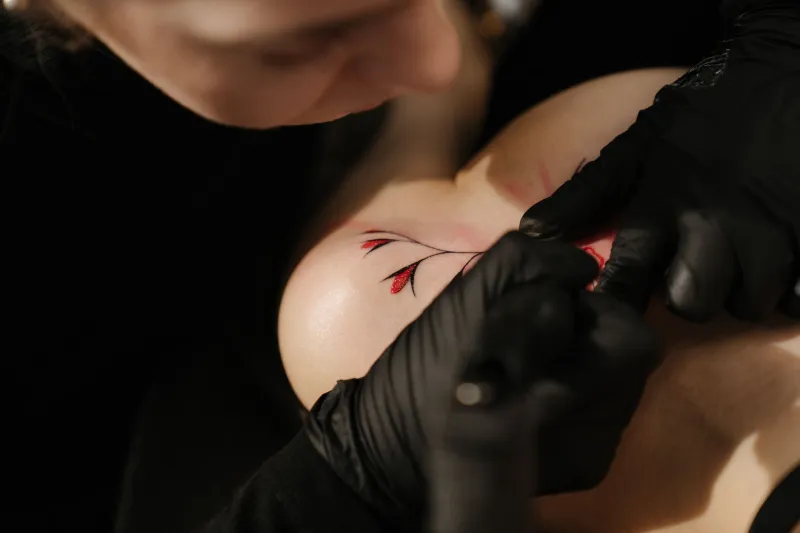
Watch a fine-line tattoo artist work and you might think it looks almost meditative. Slow, steady passes. Quiet focus. No dramatic flourishes. Just a needle moving across skin with the kind of controlled confidence that makes it seem easy.
It is absolutely not easy.
What looks calm on the surface is the result of years of deliberate, repetitive practice — plus a deep understanding of equipment, materials, anatomy, and how all of those variables interact in real time. Fine-line tattooing is one of the most technically demanding specializations in the industry, and understanding what goes into it will change the way you think about the work on your skin.
The Needle Situation: Why Size Matters More Than You Think
Let's start with the most fundamental tool: the needle. Fine-line work typically relies on single-needle or tight groupings — often 1RL (round liner, single needle) or 3RL configurations. These ultra-fine needles allow artists to place ink with pinpoint accuracy, creating lines that measure just fractions of a millimeter in width.
But smaller needles aren't automatically better. They require more passes to saturate the skin properly, which increases the risk of overworking an area. Hit the same spot too many times and you blow out the line — creating a blurry, feathered edge instead of a crisp one. This is one of the most common failure points for artists transitioning into fine-line work from broader styles.
Needle quality matters enormously here. Premium needles are manufactured with tighter tolerances, meaning the tip geometry is consistent from needle to needle. That consistency translates directly to predictable line quality. Cutting corners on needle quality is one of the fastest ways to undermine otherwise solid technical skills.
Ink Viscosity and Why Your Artist Is Probably Thinning Their Ink
Standard tattoo inks are formulated for general use — they work fine for bold traditional work or shading, but they're often too thick for the ultra-fine deposit required in fine-line tattooing. Many specialized fine-line artists thin their black ink to achieve better flow at low machine speeds and reduce the force needed to seat the ink properly.
This isn't cutting the ink with water and hoping for the best. It's a calibrated process. Too thin, and the ink won't stay in the skin reliably. Too thick, and you're pushing harder than the technique requires, increasing trauma to the tissue and risking blowouts.
The right viscosity varies by artist, machine, needle configuration, and even the client's skin type. Experienced fine-line artists develop an intuition for this calibration — adjusting on the fly based on how the ink is behaving in the moment. It's the kind of knowledge that lives in your hands after years of practice, not in a manual.
Machine Settings and the Case for Going Slow
Fine-line work runs at lower voltages and slower speeds than traditional tattooing. Where a bold-line artist might run their machine hot and fast to pack color efficiently, a fine-line specialist is often working at a pace that looks almost leisurely by comparison.
This slowness is strategic. At lower speeds, the artist has more control over ink deposit — placing exactly the right amount with each pass rather than flooding the skin. Modern rotary machines have become the tool of choice for many fine-line specialists because their consistent, smooth motion produces less skin trauma than coil machines and offers more nuanced speed control.
Pen-style rotary devices in particular have transformed fine-line tattooing over the past decade. Their lightweight, ergonomic design reduces hand fatigue during long sessions and allows for the kind of subtle pressure adjustments that define truly precise linework. Equipment innovation in this space moves fast, and the best fine-line studios stay current.
Hand Steadiness: You Can Train This
Here's something that surprises a lot of people: hand steadiness is a trainable skill, not just an innate gift. Yes, some artists have naturally steadier hands than others. But the muscle memory required for fine-line tattooing is built deliberately, over time, through structured repetitive practice.
Many fine-line artists train on synthetic skin for hours before ever approaching a human client with a single-needle configuration. They practice pulling lines across curved surfaces, working at the speed and pressure their machine is set to, until the motion becomes automatic. They study how their hand position affects line quality — how a subtle shift in wrist angle changes the character of the mark.
Breathing technique matters too. Experienced fine-line artists often time their strokes to their own exhale, minimizing the micro-movements caused by breathing. It sounds almost absurdly precise, but at the scale of a hair-thin line, those micro-movements are visible.
The Apprenticeship Path to Fine-Line Specialization
Fine-line tattooing isn't where most artists start — and for good reason. The technical foundation required for this style is built on top of broader tattooing fundamentals. Most fine-line specialists spend years learning general tattooing before narrowing their focus.
A traditional apprenticeship in the US typically runs two to three years. Apprentices learn to stretch skin properly, understand how different body placements affect healing and longevity, develop their design sensibility, and build the hand control that precision work demands. Only after that foundation is solid does specializing in fine-line make sense.
Studios that focus exclusively on fine-line work — like the approach we take here at Tattoo Fine Line — often have additional internal training structures on top of that baseline. New artists joining a fine-line focused studio spend time working specifically on the style's unique demands: single-needle control, composition for minimal designs, client consultation for work that requires long-term thinking about how lines will evolve.
Quality Control: What Separates a Good Studio From a Great One
In a fine-line specialized studio, quality control isn't just about reviewing finished pieces — it's baked into every step of the process. That starts with consultation, where artists assess whether a client's desired design is actually achievable at the scale and placement they want. Not every fine-line concept works everywhere on the body, and a reputable artist will tell you that honestly rather than take your money and hope for the best.
It continues with stencil application and placement review before a single needle touches skin. And it extends beyond the session itself into aftercare education — because even a technically perfect fine-line tattoo can be compromised by poor healing if the client doesn't know how to care for it.
Fine lines are more vulnerable in the healing phase than bold work. They're easier to disrupt with excessive moisture, sun exposure, or picking. Studios serious about their craft invest real time in making sure clients leave with detailed aftercare instructions and a clear understanding of what to expect during the healing process.
Why This Niche Rewards Patience — From Both Sides of the Needle
Fine-line tattooing is a long game. For artists, mastery comes slowly and requires genuine dedication. For clients, it means finding an artist whose specialization and portfolio genuinely match what you're looking for, rather than booking whoever has the first available appointment.
The reward for that patience is work that holds up — technically, aesthetically, and personally. A fine-line piece executed by a true specialist carries a level of craft that's immediately visible to anyone who knows what to look for. And increasingly, people do know. The fine-line movement has raised the overall standard for what clients expect from their tattoos.
That's a good thing for everyone. Higher expectations push artists to develop deeper skills. Deeper skills produce better work. Better work lasts longer and ages more gracefully — which means fewer touch-ups, fewer regrets, and more pieces that genuinely stand the test of time.