Negative Space, Maximum Meaning: The Art of Doing More With Less in Fine-Line Tattoos
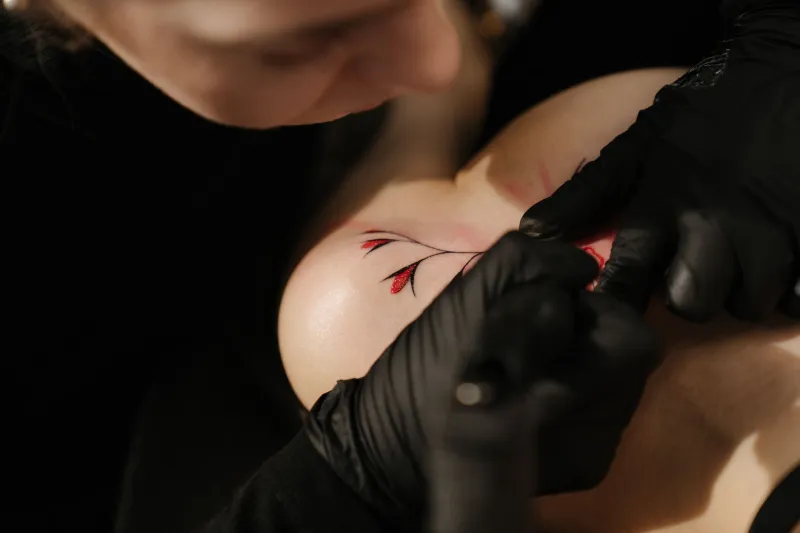
There's a common misconception floating around tattoo studios across the country: that simple equals easy. Walk into any fine-line shop and mention you want something "small and minimal," and watch the artist take a slow, knowing breath. Because here's the truth — stripping a design down to its bare essentials is one of the most technically and artistically demanding things a tattoo professional can do.
Fine-line minimalism isn't about laziness or limitation. It's about intention. And understanding that distinction is the first step toward getting a piece you'll still love twenty years from now.
The Philosophy Behind the Thin Line
Minimalism as a design philosophy has deep roots in everything from Japanese Zen aesthetics to mid-century modern architecture. At its core, it operates on a single principle: remove everything that doesn't need to be there, and what remains becomes more powerful because of it.
In tattooing, this translates into deliberate choices about line weight, subject matter, placement, and — critically — what you don't include. A fine-line floral piece with four perfectly rendered petals can hit harder emotionally than a fully shaded, color-packed sleeve. Why? Because your eye knows exactly where to go. There's no visual noise competing for attention.
The psychology here is real. Research in visual cognition consistently shows that the brain assigns greater significance to isolated elements. When a tattoo gives the eye room to breathe, it signals importance. It says: this matters enough to stand alone.
Negative Space Is the Unsung Hero
Ask any skilled fine-line artist what their most important tool is, and don't be surprised if they say "the skin itself." Negative space — the untouched skin surrounding and within a design — does heavy lifting in minimalist tattoo work.
Think about a single-line portrait: the places where the line doesn't appear are just as expressive as where it does. The suggestion of a jawline, the implied curve of a shoulder — these gaps let the viewer's brain complete the image, creating a kind of visual collaboration between artist and audience. That engagement is what makes a piece feel alive rather than static.
Mastering negative space means understanding composition at a level most people never think about when they're flipping through flash art. It means knowing how skin tone interacts with ink density, how a design will read from three feet away versus three inches, and how aging will affect those delicate open areas over time.
Why "Simple" Designs Are Actually Harder to Execute
Here's where clients often get surprised. A heavily shaded, color-saturated tattoo has built-in forgiveness. Blending can cover minor inconsistencies. Layered textures hide small wobbles. But a single fine line? There's nowhere to hide.
Every micro-variation in pressure shows. Every tiny deviation from the intended curve is visible. The margin for error on a minimalist fine-line piece is essentially zero, which is why this style demands artists who've spent years developing muscle memory and a near-surgical level of hand control.
That's not meant to intimidate you — it's meant to help you understand why finding the right artist matters so much when you're going minimal. A busy, heavily saturated piece can survive a mediocre execution. A clean, minimal fine-line tattoo cannot.
Choosing Imagery That Ages With You
One of the smartest things you can do before booking a minimalist fine-line tattoo is think long and hard about your subject matter. Not just what resonates with you emotionally right now, but what will continue to feel meaningful as your life evolves.
Geometric shapes, botanical elements, celestial motifs, and abstract linework tend to age particularly well — both aesthetically and personally. They carry meaning without being so specific that they lock you into a single chapter of your life. A single-line crescent moon doesn't remind you of a bad breakup the way a portrait of an ex might.
Simple silhouettes and architectural references also hold up beautifully over decades. The key is choosing imagery that has clean, recognizable edges — because fine lines do soften slightly over time, and a design that relies on razor-thin interior detail may lose legibility as the years pass. Your artist should be guiding this conversation with you, flagging designs that look stunning fresh but may become muddy at the five-year mark.
The Color Question: When to Go Restrained
Color in fine-line minimalist work is a whole conversation unto itself. The purist approach is black ink only — and honestly, for most minimalist pieces, that's the right call. Black fine-line work photographs beautifully, ages predictably, and reads clearly against all skin tones.
That said, a restrained color palette — think a single accent of dusty rose, a whisper of sage green, or a thin wash of pale gold — can elevate a minimalist piece without overwhelming it. The operative word is restrained. One or two colors used sparingly feel intentional. Four colors crammed into a small minimalist design feel confused.
If you're drawn to color, talk to your artist about watercolor-adjacent techniques or single-hue washes that maintain the airy, uncluttered quality of the minimalist aesthetic while adding warmth.
Trusting the White Space — and the Artist
The hardest part of commissioning a minimalist fine-line tattoo isn't the pain or the price. It's the trust. Clients often arrive with a reference image and a strong urge to add "just a little more" — a shadow here, some extra detail there. And it takes a confident, communicative artist to explain why those additions would actually make the piece weaker.
The best fine-line artists are equal parts designer and educator. They'll walk you through why the composition works as-is, why that open space on the left isn't emptiness but balance, why adding a third element would break the visual tension that makes the piece compelling.
When you find an artist whose aesthetic instincts you genuinely trust — not just like, but trust — that's when minimalist fine-line work reaches its full potential. You stop second-guessing the white space and start understanding it as the point.
Less Is a Commitment, Not a Compromise
Choosing minimalist fine-line tattooing is a statement about how you see design, permanence, and personal expression. It's not the budget option or the "starter tattoo" path. It's a deliberate, sophisticated choice that demands skilled execution and thoughtful imagery.
Done right, a single fine line can carry more emotional weight than a full back piece. It can be the tattoo people ask about at dinner parties, the one that sparks a genuine conversation about meaning and craft. Not because it's loud, but because it's exactly right.
That's the whole philosophy, really. Not less for the sake of less — but less in service of more.