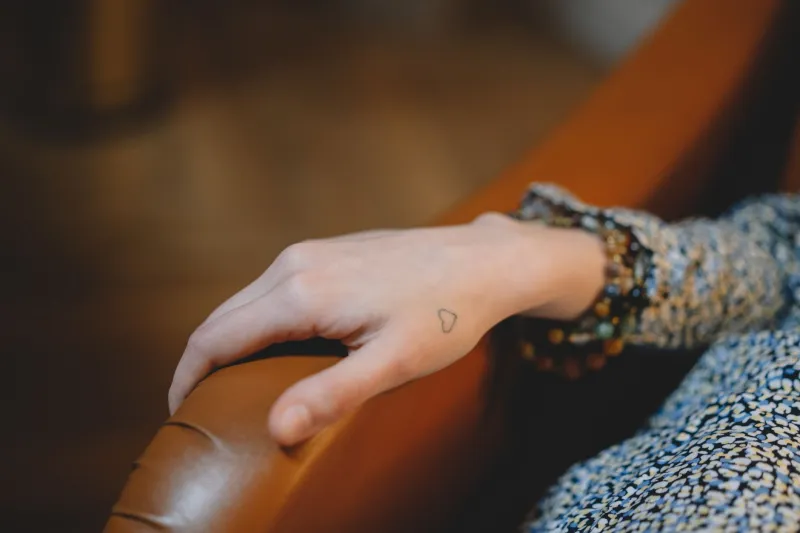
Delicate by Design: How a New Generation Is Quietly Reshaping the Tattoo Industry From the Ground Up
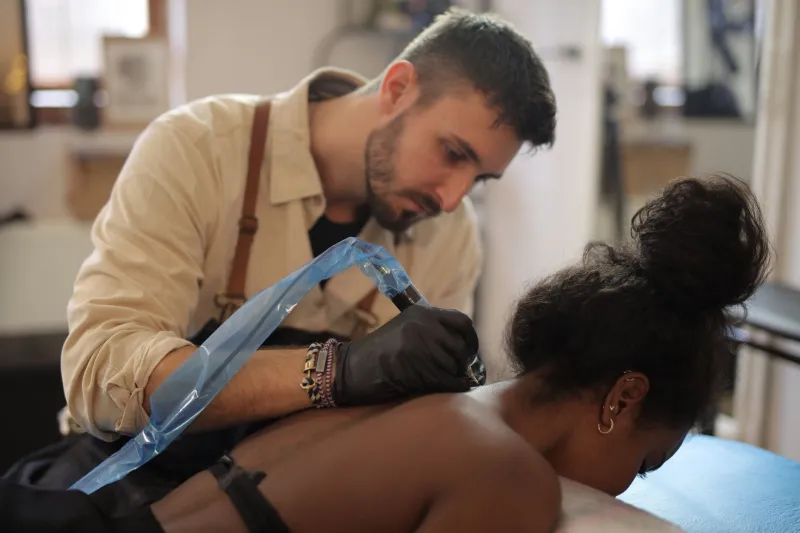
Walk into almost any fine-line studio in a major American city on a Saturday afternoon and you'll notice something. The waiting area skews young. The consultations happening at the front desk are about botanical illustrations, single-needle script, and micro-realism portraits. The flash sheets on the wall look nothing like the bold eagles and pin-up girls that defined tattoo parlor aesthetics for most of the twentieth century.
This isn't a niche trend anymore. It's a generational realignment — and the tattoo industry is still figuring out what it means.
The Numbers Don't Lie
The data on Gen Z tattooing is striking. According to a 2023 report from the market research firm Ipsos, Americans aged 18–26 are getting tattooed at higher rates than any previous generation at the same age — but the style breakdown is dramatically different from their predecessors. Fine-line, minimalist, and micro-detail work now account for an estimated 40–50% of first tattoos among clients under 30, up from roughly 15% a decade ago.
Platforms like Instagram and TikTok have been accelerating agents here. Fine-line tattooing photographs exceptionally well — the precision reads clearly in a small image, the clean lines translate perfectly to a phone screen. Bold traditional work can be harder to appreciate at thumbnail scale. When the primary discovery mechanism for tattoo artists is a visual social platform, the styles that photograph best gain a compounding visibility advantage.
The result is a feedback loop: Gen Z discovers fine-line work on social media, books fine-line artists, those artists gain followers, more Gen Z clients find them, and the cycle continues. Traditional bold work didn't disappear from this loop — but it lost algorithmic altitude.
A Different Set of Values Driving Different Choices
The aesthetic preference isn't arbitrary. It maps pretty cleanly onto broader Gen Z values that researchers and cultural observers have documented across multiple domains.
For a generation that grew up with unprecedented access to information about everything — including tattoo regret, tattoo removal costs, and the professional consequences of visible ink — the appeal of something subtle and adaptable makes intuitive sense. Fine-line tattoos read as considered rather than impulsive. They signal intentionality, which is a quality Gen Z tends to value and perform.
There's also a minimalism current running through Gen Z aesthetics more broadly. The "clean girl" aesthetic, the preference for understated fashion over logomania, the cultural backlash against the maximalism of the early 2010s — fine-line tattooing fits neatly into this visual sensibility. It's the ink equivalent of a capsule wardrobe: curated, precise, built to last.
"My clients in their twenties are incredibly thoughtful about what they want," says a fine-line artist based in Nashville. "They'll come in with a mood board, a specific reference, sometimes a sketch they've been working on for months. They're not impulsive. They've done the research. They know exactly what they want and why."
What This Means for How Artists Are Being Trained
The generational shift in client preferences is creating real pressure on the apprenticeship pipeline — the traditional system by which tattoo artists learn their craft.
Historically, apprenticeships were built around foundational bold work. You learned to pack color, to execute clean outlines with a heavy needle, to master the visual language of American Traditional and Neo-Traditional styles before you ever attempted anything delicate. The logic was sound: bold work is more forgiving. Mistakes are easier to correct. The foundations are solid.
Fine-line tattooing inverts this logic. The margin for error is almost nonexistent. A shaky line in a bold piece can be softened with shading. A shaky line in a fine-line piece is just a shaky line, and it's visible forever. The technical demands of the style — single-needle work, micro-detail, consistent pressure across a long, thin stroke — are arguably harder than traditional fundamentals, not easier.
This is creating a split in how studios approach training. Some established shops are doubling down on traditional foundations, arguing that artists who skip the fundamentals of bold work will have technical gaps that eventually show up in their fine-line output. Others are building training programs specifically oriented toward fine-line technique from day one, arguing that the styles require such different muscle memory and equipment knowledge that they're essentially separate disciplines.
"There's a real conversation happening about what foundational tattooing even means now," says a studio owner in Portland who runs a formal apprenticeship program. "The answer used to be obvious. Now it's genuinely complicated."
The Business Model Is Changing Too
The economics of fine-line tattooing are different from traditional bold work in ways that are reshaping studio business models across the country.
Fine-line pieces typically take longer per square inch of skin covered. The precision required means slower execution. Single-needle work is more physically demanding for the artist. The result is that fine-line studios often charge more per hour, work with smaller daily client loads, and operate on longer booking lead times than traditional shops.
This creates a more appointment-driven, boutique-style business model that looks less like a traditional walk-in tattoo parlor and more like a high-end salon. Studios catering primarily to Gen Z fine-line clients often have polished digital presences, structured consultation processes, detailed portfolio curation, and waitlists measured in months rather than days.
For artists, this can mean more financial stability and more creative control. For the industry's cultural identity — historically rooted in accessibility, walk-in availability, and a certain democratic grit — it raises questions about who the new tattoo culture is actually for.
What the Old Guard Thinks (And Why Some of Them Are Coming Around)
The generational shift hasn't been universally welcomed by artists who built careers on bold, traditional work. Some veteran artists have been vocal about what they see as a loss of craft depth, arguing that fine-line's Instagram-driven popularity has flooded the market with technically underprepared artists whose work won't hold up over time.
That criticism has real merit. The barrier to entry for presenting as a fine-line artist on social media is lower than the barrier to actually executing fine-line work well. Plenty of portfolios look better in photos than they do in person, or in five years.
But other veterans are more measured. Several established artists with decades of traditional work behind them have quietly expanded their skills into fine-line territory, recognizing that the demand is real and the technical challenge is genuine.
"I resisted it for a long time," admits one artist who spent twenty years doing primarily American Traditional work in a Chicago shop. "Then I actually tried it. It's hard. Like, really hard. I have a new respect for the people who do it well."
The Bigger Picture
What Gen Z has done to the tattoo industry is less a destruction of what came before and more a significant expansion of what tattooing can be. Bold traditional work isn't dying — it's finding its own dedicated audience, its own cultural custodians, its own new generation of practitioners who love it specifically.
But fine-line tattooing is no longer the niche style it was even a decade ago. It's a primary aesthetic, a dominant commercial force, and an increasingly sophisticated craft with its own technical standards and cultural vocabulary.
The industry is bigger, more varied, and more technically demanding than it's ever been. And a generation that grew up with access to everything chose precision. That says something worth paying attention to.